



 Home
 PRODUCTS
 RENTAL EQUIPMENT
 COVID-19 Products
 About Us
 New Products


Hypertension, commonly called high blood pressure, is one of the most widespread chronic conditions in the world. It often runs for years without any noticeable symptoms, while it damages the blood vessels and the organs they supply. The heart has to work harder all the time to pump blood, and this considerably raises the risk of heart attack, stroke and kidney failure.
In this article we take care on two points. The first is the thresholds: in 2024 the European Society of Cardiology changed the classification, while the European Society of Hypertension kept the previous one, so we show both. The second is a crisis: the most common advice – "bring your blood pressure down fast" – is wrong for most people and can cause harm. We explain why.
In short: about one in three adults has high blood pressure, and according to the World Health Organization almost half of them do not know it. Only about one in five has it under control. The only way to find out which group you are in is to measure it.
Contents:
- What blood pressure is and what the thresholds are
- How to measure your blood pressure correctly at home
- Symptoms of high blood pressure
- Very high blood pressure: when it is an emergency and why it should not be lowered fast
- Types, risk factors and the link with sleep apnea
- Pregnancy and the link with heart rate
- Complications
- Treatment: target values, diet and medication
- What is not proven
- Frequently asked questions
1. What blood pressure is and what the thresholds are
Blood pressure is the force with which blood presses against the walls of the arteries as the heart pumps it around the body. It is measured in millimeters of mercury (mmHg) and is always written as two numbers:
- Systolic pressure (the upper number): the pressure in the arteries at the moment the heart contracts and pushes blood out.
- Diastolic pressure (the lower number): the pressure in the arteries when the heart relaxes between two beats.
The new 2024 classification
In 2024 the European Society of Cardiology simplified the classification to three categories. The aim is to identify earlier the people for whom treatment makes sense.
| Category (ESC, 2024) | Upper number | Lower number | What follows |
|---|---|---|---|
| Non-elevated | below 120 | and below 70 | Treatment is not recommended |
| Elevated | 120 – 139 | or 70 – 89 | Lifestyle changes; treatment depending on cardiovascular risk |
| Hypertension | 140 or higher | or 90 or higher | Confirmation and treatment for everyone |
The classification by grades
In its 2023 guidelines, the European Society of Hypertension kept the more detailed classification by grades, which is also the one most widely used in Bulgarian practice. The two do not contradict each other on the hypertension threshold – both set it at 140/90 mmHg. They differ in how they describe the values below it.
| Category (ESH, 2023) | Upper number | Lower number |
|---|---|---|
| Optimal | below 120 | and below 80 |
| Normal | 120 – 129 | and/or 80 – 84 |
| High normal | 130 – 139 | and/or 85 – 89 |
| Grade 1 hypertension | 140 – 159 | and/or 90 – 99 |
| Grade 2 hypertension | 160 – 179 | and/or 100 – 109 |
| Grade 3 hypertension | 180 or higher | and/or 110 or higher |
When the upper and lower numbers fall into different categories, the higher category applies.
People often ask what normal blood pressure is for their age. The answer is that the thresholds for hypertension do not change with age. Over the years the arteries stiffen and the upper number naturally rises, but that does not make 150 mmHg normal for a 70-year-old. What changes are the treatment targets – for people over 85 and for frail patients they are less strict.
2. How to measure your blood pressure correctly at home
This part is missing from most articles, yet it is the most practical of all. Home measurement shows something that a single measurement at the doctor's office cannot.
Important: the threshold for hypertension when measuring at home is 135/85 mmHg, not 140/90. At home people are calmer and the values are naturally lower, so the threshold is lower too. If you consistently measure above 135/85 at home, see your doctor, even if the readings at the office look fine.
The correct technique
- Sit on a chair with a backrest, both feet on the floor, without crossing your legs.
- Rest your arm on a table so that the cuff is at heart level.
- Rest for at least 5 minutes before measuring and do not talk during the measurement.
- No coffee, cigarettes or exercise for at least 30 minutes beforehand.
- Use a cuff of the right size – a cuff that is too small gives falsely high readings.
- Take two readings 1 minute apart, morning and evening, for several days. Write down the average.
White coat hypertension and masked hypertension
In some people blood pressure is high only at the doctor's office and normal at home. This is called white coat hypertension and is caused by the tension of the visit.
The opposite also exists and is more dangerous: masked hypertension, in which office readings are normal but readings at home or during the day are high. These people appear healthy at every check-up. Only home or 24-hour monitoring detects it.
Do not wait for symptoms – monitor your blood pressure at home

Regular measurement with a clinically validated monitor is the first step towards controlling high blood pressure.
BROWSE BLOOD PRESSURE MONITORS3. Symptoms of high blood pressure

The biggest misconception is that you can feel high blood pressure. In most cases it causes no symptoms for years. Many people live with readings above 140/90 mmHg and feel perfectly healthy while hypertension damages their heart, kidneys and blood vessels.
Symptoms usually appear only at very high values. The body may then respond with the following signals:
- Headache, especially throbbing, at the back of the head and in the morning
- Dizziness and light-headedness, blackouts when standing up
- Ringing in the ears – ringing or pulsing without an external cause
- Nosebleeds that are hard to stop
- Vision problems – blurring, "floaters", flashes
- Palpitations and chest tightness
- Shortness of breath and fatigue with minimal effort
- Flushing of the face and neck
None of these symptoms is specific to high blood pressure – each can have another cause. So they are not a way to find out whether you have hypertension, but a reason to measure your blood pressure.
4. Very high blood pressure: when it is an emergency and why it should not be lowered fast
Blood pressure above 180/120 mmHg looks frightening, and most people's first reaction is to bring it down as fast as possible. This is exactly where the most dangerous mistake lies.

When blood pressure is high for a long time, the brain, heart and kidneys gradually adapt to the higher pressure. If it is lowered sharply, these organs suddenly receive less blood than they are used to. This can lead to an ischemic stroke or a heart attack – exactly what the person is trying to prevent.
That is why doctors distinguish two different situations that call for opposite actions.
Very high blood pressure without symptoms
Readings above 180/120 mmHg, but without chest pain, shortness of breath, neurological symptoms or vision problems. The organs are not affected at the moment.
The goal is a gradual reduction over 24 to 48 hours with oral medication, not a sharp drop. The most common cause of such a rise is anxiety.
Hypertensive emergency
High blood pressure combined with symptoms that point to organ damage – heart, brain, eyes or kidneys.
This is an emergency that is treated in hospital, with intravenous medication and continuous monitoring. It is not treated at home.
What to do if you measure above 180/120 mmHg
- Sit or lie down in a quiet room. Support your back and do not cross your legs.
- Breathe slowly. Anxiety raises blood pressure, and slow breathing – in through the nose for 4 seconds, hold for 7, out through the mouth for 8 – calms the nervous system. This does not treat hypertension, but it does work when the rise is triggered by stress.
- Wait and measure again. The first high reading is often the result of momentary tension.
- If you have prescribed medication, take it exactly as your doctor told you. Do not take extra doses "to make it work faster" and never take someone else's medication.
- Contact your general practitioner the same or the next day, even if the readings have come down.
About pills under the tongue: for a long time, short-acting nifedipine under the tongue was recommended for high blood pressure. This practice has been abandoned. It lowers blood pressure sharply and unpredictably and is linked to strokes and heart attacks. If you have had such a medication "for crises" for years, discuss it with your doctor before using it.
⚠️ When to call 112
If high blood pressure comes with even one of the following symptoms, seek emergency help immediately:
- Severe pain in the chest or back
- Shortness of breath or inability to catch your breath
- Numbness, weakness or paralysis of the face, arm or leg, especially on one side
- Difficulty speaking or understanding speech
- A sudden change in vision
- A severe, unbearable headache, confusion or drowsiness
5. Types of hypertension, risk factors and the link with sleep apnea
- Primary (essential) hypertension: about 90–95% of cases in adults. There is no single specific cause. It develops gradually as a result of heredity, age-related changes in the blood vessels and lifestyle.
- Secondary hypertension: in the remaining 5–10%, high blood pressure is the result of another disease or of a medication. It usually appears more suddenly and with higher values. The most common causes are kidney disease, thyroid or adrenal gland problems, narrowing of the kidney arteries and obstructive sleep apnea.
Sleep apnea and high blood pressure
Untreated obstructive sleep apnea is one of the most often overlooked causes of hypertension, especially of resistant hypertension – hypertension that is not controlled despite three or more medications. The repeated pauses in breathing at night lower oxygen levels and activate the part of the nervous system responsible for the stress response. This leads to night-time rises in blood pressure that often persist during the day.
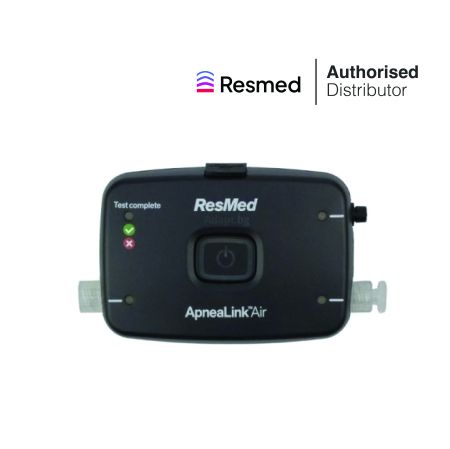
We will also be honest about the effect of treatment, because we sell the machines. Treating sleep apnea with CPAP lowers blood pressure, but on average by only a few mmHg – more in people with resistant hypertension. It rarely replaces medication altogether. Its value is that in a patient with sleep apnea the medications work better, and sleep and daytime tiredness improve in their own right.
GET TESTED FOR SLEEP APNEA AT HOMEMain risk factors
- Age: over the years the arteries lose elasticity.
- Family history: if your parents have hypertension, your risk is higher.
- Excess weight: a larger blood volume and a heavier load on the blood vessels.
- Salt: too much sodium retains fluid. A national survey shows that average daily salt intake in Bulgaria is about 12 grams – more than twice the recommended 5 grams.
- Too little potassium: potassium helps the kidneys excrete sodium.
- Lack of exercise.
- Smoking: raises blood pressure immediately and damages the inner lining of the arteries.
- Alcohol: regular excessive drinking raises blood pressure in its own right.
- Chronic stress.
If you want a specific eating pattern with a proven effect, look at the DASH diet – an eating plan designed specifically to lower blood pressure.
6. Pregnancy and the link with heart rate
Hypertension during pregnancy
High blood pressure during pregnancy requires careful medical monitoring. Even women who have never had problems with their blood pressure can develop hypertension after the 20th week.
If it is not controlled, it can progress to preeclampsia – a serious complication with high blood pressure and signs of damage to other organs, most often the liver and kidneys. Preeclampsia is dangerous for both mother and baby.
Important for women taking blood pressure medication: ACE inhibitors and angiotensin receptor blockers are contraindicated in pregnancy. If you are planning a pregnancy or have become pregnant while taking them, talk to your doctor as soon as possible about changing your treatment. Do not stop the medication on your own.
Is there a link between high blood pressure and a high heart rate?
Blood pressure and heart rate measure different things. Blood pressure is the force of the blood on the vessels. Heart rate is the number of heartbeats per minute, normally between 60 and 100.
During exercise or severe stress both values usually rise, but this is not a rule. The heart can beat fast with normal blood pressure, and conversely, dangerously high blood pressure is possible with a perfectly calm heart rate. That is why heart rate is not an indicator of blood pressure.
7. Complications: what happens if hypertension is not treated
Excess pressure damages both the blood vessels and the organs they supply. The higher it is and the longer it stays uncontrolled, the more serious the consequences.
- Heart attack and stroke: high pressure speeds up atherosclerosis and blood clot formation. Hypertension is the most important single risk factor for stroke.
- Heart failure: the heart muscle thickens to pump against the higher pressure and weakens over time.
- Kidney failure: the pressure damages the fine blood vessels in the kidneys and disrupts filtration.
- Aneurysm: weakening and bulging of an artery wall, most often of the aorta. Its rupture is life-threatening.
- Vision loss: damage to the blood vessels in the retina.
- Memory problems and vascular dementia: caused by reduced blood supply to the brain.
It is often claimed that hypertension causes metabolic syndrome. The relationship is the other way round: high blood pressure is one of the components of metabolic syndrome, together with a larger waist circumference, high triglycerides, low HDL cholesterol and raised blood sugar. Having several of them at the same time considerably increases cardiovascular risk.
8. Treatment: target values, diet and medication
Treatment always starts with lifestyle changes, and medication is added when needed.
What value treatment aims for
The 2024 European guidelines recommend that for most adults taking medication the upper number should be between 120 and 129 mmHg, if this is well tolerated. For people over 85, for frail patients or for those who feel dizzy when standing up, the target is less strict – as low as can reasonably be achieved without side effects. Your specific target is set by your doctor.
Foods with a proven effect
The foundation is the DASH diet – less salt, more vegetables, fruit, legumes and low-fat dairy products. Individual foods with evidence of an effect:
- Beetroot juice: contains nitrates that the body converts into nitric oxide, which relaxes the blood vessels. The effect is measurable but moderate and short-lived.
- Potassium-rich foods: beans, lentils, spinach, tomatoes, potatoes, bananas, apricots.
- Berries and oily fish – as part of the overall eating pattern, not as a treatment on their own.
Herbs
People often look for folk remedies. Here is exactly what has been studied:
- Hibiscus tea: small studies show a moderate reduction in blood pressure. The effect is not comparable to that of medication.
- Hawthorn: traditionally used, with limited evidence of an effect on blood pressure.
- Lemon balm and valerian: have no direct effect on blood pressure, but may help when the rise is related to stress.
Herbs do not replace medication and can interact with it. Talk to your doctor before combining them.
Lifestyle changes
- Exercise: at least 150 minutes of moderate aerobic activity a week, plus strength exercises 2–3 times a week.
- Weight: losing even a few kilograms has a measurable effect.
- Salt: less than 5 grams a day, with most of it coming from ready-made foods rather than the salt shaker.
- Alcohol: cut down, and stop if you can.
- Smoking: stop completely.
- Sleep and stress: lack of sleep and chronic stress keep blood pressure high.
Medication

If lifestyle changes are not enough, the doctor prescribes medication. The current approach often starts straight away with a combination of two medicines in one tablet, because this reaches the target faster and makes treatment easier to stick to.
- ACE inhibitors and angiotensin receptor blockers: block the mechanism that narrows the blood vessels.
- Calcium channel blockers: relax the artery walls.
- Diuretics: help the kidneys get rid of excess salt and water.
- Beta blockers: slow the heart rate. In the latest European guidelines they are not the first choice for uncomplicated hypertension, but they remain a mainstay when there is accompanying heart disease.
- Spironolactone: the preferred add-on medication for resistant hypertension.
Never stop your medication or change the dose on your own, even when your blood pressure is already normal. Normal readings mean that the treatment is working, not that you are cured.
Taking three medications and your blood pressure still will not come down?
This is called resistant hypertension and requires a search for the cause. First, it is checked whether the medications are taken regularly and whether the measurement is correct. Then secondary causes are looked for – and sleep apnea is among the most common. A sleep test is one of the steps in this process, not the automatic explanation.
GET TESTED FOR SLEEP APNEA AT HOMERegular monitoring
Managing hypertension is a lifelong process. Measure regularly at home with a clinically validated monitor, write down your readings and discuss them with your doctor at every visit.
9. What is not proven
- "High blood pressure must be brought down fast." With very high blood pressure and no symptoms, a sharp drop is dangerous and can lead to stroke or heart attack. The goal is a gradual reduction over hours to days.
- "If I don't have a headache, my blood pressure is normal." In most cases hypertension causes no symptoms. The only way to know is to measure it.
- "It is normal for older people to have higher blood pressure." The thresholds for hypertension do not change with age. The treatment targets change for very old and frail people, but the definition does not.
- "Water with lemon or garlic lowers blood pressure." There is no reliable evidence that water with lemon has any effect. Garlic has weak evidence of a moderate reduction, but it is not a treatment.
- "Treating my sleep apnea will free me from medication." It lowers blood pressure moderately and improves the effect of medication, but rarely replaces it altogether.
- "Now that my blood pressure is normal, I can stop the pills." Normal readings usually mean that the medication is working. Stopping it leads to a renewed rise.
10. Frequently asked questions
What blood pressure is normal?
According to the 2024 European guidelines, values below 120/70 mmHg are defined as non-elevated blood pressure. Between 120/70 and 139/89 mmHg is elevated blood pressure, and 140/90 mmHg or higher is hypertension. These thresholds apply to measurements at the doctor's office. For home measurements the hypertension threshold is lower – 135/85 mmHg.
Can you feel high blood pressure?
In most cases, no. A person can live with high blood pressure for years without any discomfort. Symptoms such as a severe headache, ringing in the ears, dizziness or nosebleeds usually appear only at very high values. The only reliable way to find out whether you have high blood pressure is to measure it regularly.
How can I lower my blood pressure quickly?
With very high blood pressure and no other symptoms, the goal is not a quick drop. A sharp reduction can reduce the blood supply to the brain and heart and lead to a stroke or heart attack. Sit calmly, breathe slowly, wait and measure again. If you have prescribed medication, take it as your doctor instructed. If high blood pressure comes with chest pain, shortness of breath, weakness on one side of the body, difficulty speaking or a severe headache, call 112.
What is white coat hypertension?
It is a condition in which blood pressure is high only when measured by a doctor and normal at home. It is caused by the tension of the visit. The opposite also exists: masked hypertension, in which office readings are normal but readings at home or during the day are high. That is why home measurement is an important addition to measurement at the office.
Can high blood pressure be cured completely?
Primary hypertension usually cannot be cured completely, but it can be controlled successfully for life with lifestyle changes and, when needed, medication. In some secondary forms, treating the underlying cause – for example, kidney disease or sleep apnea – can considerably improve or normalize blood pressure.
What is the correct position for measuring blood pressure at home?
Sit on a chair with a backrest, both feet on the floor, without crossing your legs. Your arm rests on a table and the cuff is at heart level. Rest for at least 5 minutes, do not talk, and do not drink coffee, smoke or exercise for at least 30 minutes beforehand. Take 2 readings 1 minute apart and write down the average.
Is it dangerous to stop my medication if my blood pressure is already normal?
Yes. Normal readings usually mean that the medication is working, not that the hypertension has gone away. Stopping it can lead to a renewed rise in blood pressure. A change in dose or stopping should only be decided by your doctor.
Which blood pressure medications are not suitable during pregnancy?
ACE inhibitors and angiotensin receptor blockers are contraindicated in pregnancy. Women who take these medications and are planning a pregnancy or have become pregnant should see a doctor as soon as possible to change their treatment.
Sources:
McEvoy JW, et al. 2024 ESC Guidelines for the management of elevated blood pressure and hypertension. European Heart Journal, 45(38), 2024, pp. 3912–4018.
Mancia G, et al. 2023 ESH Guidelines for the management of arterial hypertension. Journal of Hypertension, 2023.
World Health Organization. Global report on hypertension – data on prevalence, awareness and control.
National survey of salt intake in Bulgaria based on urinary sodium analysis.
Sources checked: September 2026.
This article provides general information about hypertension and does not replace professional medical advice, diagnosis or treatment. Do not start, stop or change prescribed treatment on your own. If high blood pressure comes with chest pain, shortness of breath or neurological symptoms, call 112.
Date: 19 Mar 2026
Post comment