



 Home
 PRODUCTS
 RENTAL EQUIPMENT
 COVID-19 Products
 About Us
 New Products


Good sleep is crucial for a child's health, cognitive development and emotional balance. Even so, studies show that nearly half of all children have sleep problems at some point in childhood. Common disorders include sleep apnea, insomnia, restless legs syndrome and various parasomnias – disruptive behaviors such as sleepwalking and night terrors.
The good news is that many childhood sleep disorders fade as the child grows. While they last, however, they can seriously disrupt daytime behavior, school performance and the quality of life of the whole family.
In this guide you will learn: how much sleep children need at each age, which "red flags" call for a doctor, how to tell ADHD from lack of sleep, and when specialized testing is needed.
How many hours of sleep do children need? (Norms by age)
What is normal sleep? According to the American Academy of Sleep Medicine (AASM), sleep needs vary with age: babies need 12–16 hours, toddlers 11–14 hours and teenagers 8–10 hours per 24 hours.
Parents often have no clear basis for judging whether their child is sleeping enough. The following table shows the official recommendations for the amount of sleep needed (including daytime naps for younger children):
| Age | Recommended sleep (per 24 hours) |
|---|---|
| 4 – 12 months | 12 – 16 hours |
| 1 – 2 years | 11 – 14 hours |
| 3 – 5 years | 10 – 13 hours |
| 6 – 12 years | 9 – 12 hours |
| Teenagers (13–18 years) | 8 – 10 hours |
Why is sleep so important for development?
What sleep does: sleep is not just rest but an active process. During the deep stages of sleep, growth hormone is released, memories are consolidated and the child's immune system is strengthened.
Chronic lack of sleep or fragmented sleep has far-reaching effects on a child's body:
- Physical growth: a large part of growth hormone (GH) is released during deep NREM sleep.
- Cognitive development and memory: during REM sleep the brain processes the information of the day. Too little of it leads to poor concentration and difficulties at school.
- Immunity: sleep supports the production of cytokines – proteins that fight infection and inflammation.
Symptoms you should not ignore (red flags)
When should you worry? Mouth breathing, loud snoring, night sweats and sudden bedwetting are clear signs that a child may have a serious sleep disorder.
While occasional waking is normal, there are specific "red flags" that point to a medical problem (most often obstructive sleep apnea):
- Chronic mouth breathing: both awake and asleep. Usually a sign of enlarged tonsils or adenoids.
- Night sweats: the child wakes up with wet pajamas even though the room temperature is normal (a sign of increased breathing effort).
- Secondary enuresis (bedwetting): when a child who has been dry at night for at least 6 months suddenly starts wetting the bed again.
- Pauses in breathing and gasping: the clearest symptom of sleep apnea.
- Morning headaches: a common sign of low oxygen and carbon dioxide build-up during the night.
How are sleep disorders diagnosed?
Diagnostic methods: the reference test is polysomnography (a test in a sleep laboratory). Depending on the symptoms, blood tests or specialized video monitoring may also be used.
An accurate diagnosis in children requires a comprehensive approach. The most commonly used methods are:
1. Polysomnography (PSG): carried out overnight in a specialized sleep laboratory. It records brain waves, breathing, oxygen levels and limb movements. It is the most reliable method for confirming sleep apnea.
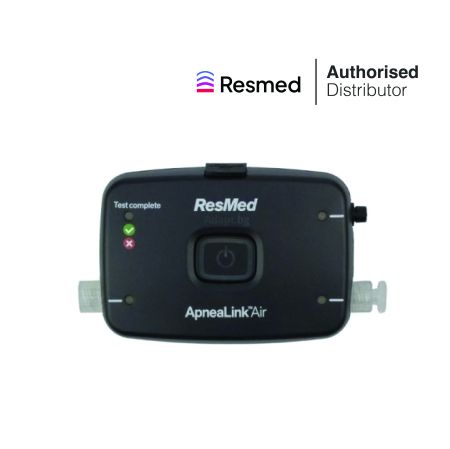
2. Home sleep apnea tests: widely used in adults, but of limited use in children, because pediatric sleep apnea requires more detailed monitoring.
3. Video monitoring and actigraphy: when parasomnias (sleepwalking, night terrors) or night-time seizures are suspected. Actigraphy uses a wearable device (like a watch) that measures movement and gives information about sleep patterns, while video monitoring helps tell different night-time events apart.
4. Blood tests: important when there are symptoms of restless legs (RLS). Iron levels (ferritin) are checked, because iron deficiency is a major trigger.
What triggers sleep disorders in children?
Causes of poor sleep: sleep disorders can be triggered by physical factors (enlarged tonsils, allergies), behavioral habits (no regular routine) or external stimuli such as excessive screen use and unsuitable food before bed.

A number of factors are specific to childhood and modern daily life:
1. Screens and digital dependence
Using smartphones, tablets and video games before bed is one of the biggest enemies of children's sleep. The problem has three sides:
- Delayed circadian rhythm: blue light from screens suppresses the secretion of melatonin (the sleep hormone), tricking the brain into thinking it is still daytime.
- Dopamine effect: video games and social media trigger dopamine peaks. The brain becomes overstimulated just when it should be calming down.
- Anxiety (FOMO): in teenagers, constant access to social media creates a fear of missing out and heightened anxiety, which makes it hard to fall asleep.
2. Sleep and food
Eating sugar late in the evening gives a quick burst of energy that makes it harder to fall asleep. Caffeinated drinks are even worse. Many parents do not realize that iced tea, cola, chocolate and especially energy drinks contain a lot of caffeine, whose half-life in a child's body can be more than 6–8 hours.
3. Allergies and breathing problems
An often underestimated factor is untreated allergies (allergic rhinitis), asthma and a chronically blocked nose. They lead to inflammation and swelling of the mucous membranes (including the adenoids), which directly predisposes the child to snoring and sleep apnea.
How sleep disorders differ in adults and children
Main differences: in children, lack of sleep often shows up as hyperactivity (rather than tiredness), and the main causes of sleep apnea are anatomical (tonsils) rather than related to obesity, as in adults.
| Criterion | In children | In adults |
|---|---|---|
| Daytime symptoms | Hyperactivity, aggression, lack of focus (often mistaken for ADHD) | Daytime sleepiness, chronic fatigue, falling asleep in front of the TV |
| Causes of sleep apnea | Enlarged tonsils and adenoids | Excess weight, aging of the tissues, neck anatomy |
| First-line treatment (OSA) | Surgical removal of the tonsils and adenoids (adenotonsillectomy) | CPAP therapy (sleep apnea machines) |
1. Insomnia (childhood sleeplessness)
What is childhood insomnia? It is a child's inability to fall asleep independently, to stay asleep through the night, or early waking, which leads to poorer functioning during the day.
Insomnia affects between 20% and 30% of children. Sleep specialists divide childhood insomnia into several specific (behavioral) categories:
1. Sleep-onset association disorder: the child learns to fall asleep only under certain conditions (for example, rocking, breastfeeding or a parent being present). If they wake up during the night (which is normal), they cannot fall asleep again without the same "association".
2. Limit-setting sleep disorder: typical of preschool children. It shows up as active resistance to going to bed – constant requests for "one more story", "I'm thirsty", or leaving the room. It is often due to inconsistency on the parents' side.
3. Transient (short-term) insomnia: temporary disruptions of the routine caused by travel, illness or emotional stress.
The solution: behavioral interventions are the first-line treatment. A strict, calming bedtime routine (ritual) and teaching the child to fall asleep independently often solve the problem completely.
2. Obstructive sleep apnea (OSA)
What is childhood sleep apnea? A serious disorder in which the airway is partly or completely blocked during sleep, causing pauses in breathing, drops in oxygen and disrupted sleep structure.
In children the diagnostic criteria are much stricter than in adults. While in an adult the apnea-hypopnea index (AHI) must be above 5 events per hour for a diagnosis, in children an AHI above 1 is already considered clinically significant and abnormal.
Severity of sleep apnea in children (by AHI):
- Mild: 1 – 5 events per hour
- Moderate: 5 – 10 events per hour
- Severe: more than 10 events per hour
Treatment of OSA in children
- Surgery: because the most common cause is enlarged tonsils, removing them leads to significant improvement or complete resolution of symptoms in about 70–85% of cases, although some children may have residual apnea.
- CPAP therapy: if surgery is not suitable, is contraindicated or does not lead to a full cure, therapy with special CPAP machines is used. They deliver air under pressure through comfortable pediatric CPAP masks, keeping the airway open.
- Orthodontic treatment: widening the palate with appliances can help with certain facial and jaw features.
Sleep or ADHD – how to tell them apart?
The link: between 25% and 50% of children diagnosed with ADHD (attention deficit hyperactivity disorder) have accompanying sleep disorders. Often, however, poor sleep is mistakenly diagnosed as ADHD.
Unlike adults, who become sluggish when they lack sleep, children react with paradoxical hyperactivity. When a child is overtired (for example, because of undiagnosed sleep apnea), the body produces more adrenaline and cortisol to keep them awake. This leads to:
- Impulsiveness and aggressive behavior;
- Inability to concentrate at school;
- Difficulty sitting still.
3. Snoring: when is it a problem?
What is primary snoring? Snoring that is not accompanied by pauses in breathing or drops in oxygen. It occurs in about 10–17% of children.
Many parents worry about snoring. On its own it is not always a diagnosis, but if it is very loud, regular and accompanied by pauses in breathing, gasping or mouth breathing, a consultation with an ENT specialist or a sleep specialist is a must.

4. Parasomnias (unusual behaviors during sleep)
What are parasomnias? A group of disorders characterized by unwanted physical events or experiences that occur while falling asleep, during sleep or on waking.
Somnambulism (sleepwalking)
Sleepwalking is considerably more common in children (about 5%) than in adults (1.5%). The child may get up, walk with open eyes and perform actions while actually being in deep NREM sleep.
What should you do? The main goal is safety. Lock doors and windows and put away sharp objects. Do not wake the child abruptly, but gently guide them back to bed. Children usually grow out of it.
Night terrors
They are most common in children aged 4 to 7. During an episode the child screams, cries and looks terrified with eyes wide open, but is not awake and does not recognize their parents.
- They occur in the first third of the night (deep NREM sleep).
- The child has no memory of the episode in the morning.
- They need no treatment other than reassurance and keeping the child safe (do not try to wake the child – this will only disorient them).
Nightmares
It is important to tell them apart from night terrors. Nightmares happen in the second half of the night, during REM sleep. The child wakes up, remembers the dream, can describe it and is genuinely afraid to fall asleep again.
Parasomnia or nocturnal epilepsy – how to tell them apart?
In rare cases some night-time episodes may look like parasomnias but are actually related to epilepsy. Telling them apart matters, because they require a different approach.
- Parasomnias: usually occur in the first third of the night; the child is confused after the episode and has no memory of it.
- Nocturnal epilepsy: episodes often recur at the same time every night, the movements are more stereotyped (the same every time), and there may be no confusion after waking.
Important: if the episodes are frequent, short and repeat in an identical way, a consultation with a neurologist and an EEG are needed.
5. Bruxism (teeth grinding)
What is bruxism? Involuntary clenching or grinding of the teeth during sleep. It is often linked to stress, teething or even sleep apnea.
In adolescents the prevalence is about 15%. It can lead to headaches, jaw pain and worn tooth enamel. Treatment includes relaxation techniques and night-time silicone splints made by a dentist.
6. Restless legs syndrome
What is restless legs syndrome (RLS)? A neurological disorder that causes an irresistible urge to move the legs, usually accompanied by unpleasant sensations (tingling, pain), mostly in the evening at rest.
It affects 2–4% of children, but often goes undiagnosed or is mistaken for "growing pains". The child cannot fall asleep because of the discomfort. In childhood the condition is most often linked to a genetic predisposition or iron deficiency. Testing iron stores is essential: a ferritin level below 50 ng/ml is considered a significant risk factor and often calls for supplementation.
7. Circadian disorders in teenagers

Delayed sleep phase: a condition in which the internal biological clock (circadian rhythm) is shifted later, making it almost impossible to fall asleep before 2 or 3 a.m.
This is very common in adolescents. During puberty, the natural release of melatonin happens later in the evening. Combined with screen use, teenagers become severely sleep-deprived during the week (because they get up early for school) and try to "catch up" at the weekend by sleeping until noon, which disrupts their routine even further.
8. Narcolepsy in children
What is narcolepsy? A rare but serious chronic neurological disease that affects the brain's ability to regulate sleep-wake cycles.
Although it is rarer, the symptoms of narcolepsy often begin in childhood or adolescence. It is characterized by:
- Excessive daytime sleepiness: the child literally "falls asleep suddenly" at school or during a conversation (sleep attacks).
- Cataplexy: sudden loss of muscle tone (weakness in the knees or face), often triggered by a strong emotion – laughter, surprise or anger.
- Sleep paralysis and hallucinations when falling asleep.
Tips for parents: improving sleep hygiene
Small changes in daily life can often make a big difference to the quality of a child's sleep:
- A fixed schedule: going to bed and getting up at the same time, even at weekends. This "sets" the internal clock.
- The right environment: the room should be dark (no night lights shining directly in the face), quiet and cool (about 18–20°C).
- Digital detox: switch off all screens (phones, tablets, TV) at least 1 to 2 hours before bed.
- A calming ritual: a warm bath, reading a story, quiet music or a gentle massage create a predictable routine that tells the brain it is time to rest.
- Watch the food: avoid sugar, chocolate and caffeinated drinks (including iced tea) in the afternoon.
What to do if your child is not sleeping well?
1. Check the routine: does the child go to bed and get up at the same time?
2. Watch the breathing: does the child snore, breathe through the mouth or have pauses in breathing?
3. Limit screens: remove devices at least 1–2 hours before sleep.
4. Assess the environment: a dark, quiet and cool room.
5. See a specialist: if the symptoms persist or get worse.
When should you definitely see a doctor?
Occasional bad nights linked to a cold, teething or overexcitement are perfectly normal. However, you should see a pediatrician, an ENT specialist or a pediatric sleep specialist if you notice the following:
- The child snores loudly more than 3 nights a week or stops breathing (has pauses in breathing).
- Problems falling asleep or staying asleep last more than a few weeks and interfere with daily life.
- There is a sudden change in daytime behavior – aggression, hyperactivity or a drop in school results.
- The child is very sleepy during the day (falls asleep in class or while playing).
- Parasomnias (sleepwalking, night terrors) are very frequent and create a risk of injury.
Frequently asked questions (FAQ)
Is it normal for a child to snore?
Light, occasional snoring with a cold or allergy is normal. But if the child snores loudly and often and breathes mainly through the mouth, this is a "red flag" for possible obstructive sleep apnea or enlarged tonsils and needs a medical assessment.
How many hours of sleep does my child need?
According to the American Academy of Sleep Medicine, babies (4–12 months) need 12–16 hours, toddlers (1–2 years) 11–14 hours, preschool children (3–5 years) 10–13 hours, school-age children (6–12 years) 9–12 hours and teenagers 8–10 hours of sleep per 24 hours.
Are night terrors dangerous?
No. Although they look very frightening to parents (the child screams and thrashes about), during a night terror episode the child is not awake and has no memory of it in the morning. The most important thing is not to try to wake the child, but simply to make sure they do not get hurt.
Can lack of sleep look like ADHD?
Yes. In children, lack of good-quality sleep often leads to paradoxical hyperactivity, impulsiveness and poor concentration. The symptoms are almost identical to those of attention deficit hyperactivity disorder (ADHD).
Sources and medical literature used
- American Academy of Sleep Medicine (AASM). Consensus Statement: Recommended Amount of Sleep for Pediatric Populations.
- Strohl KP (2022). Sleep apnea. Merck Manual Consumer Version.
- Schwab RJ (2022). Insomnia and excessive daytime sleepiness (EDS). Merck Manual.
- Paruthi S (2022). Evaluation of suspected obstructive sleep apnea in children. UpToDate.
- Stallman HM, Kohler M (2016). Prevalence of Sleepwalking: A Systematic Review and Meta-Analysis. PLoS One.
- Prado IM, et al. (2018). Study of associated factors with probable sleep bruxism among adolescents. Journal of Clinical Sleep Medicine.
- MedlinePlus (2018). Restless legs syndrome.
- Owens JA (2023). Behavioral sleep problems in children. UpToDate.
This article is for information only and does not replace professional medical advice, diagnosis or treatment. For specific questions about your child's health, always consult a qualified medical professional.
Written and edited by: Grigor Angelov, Adapt BG.
Date: 13 Apr 2026
Post comment